
31°C, New York


Notification products, updates
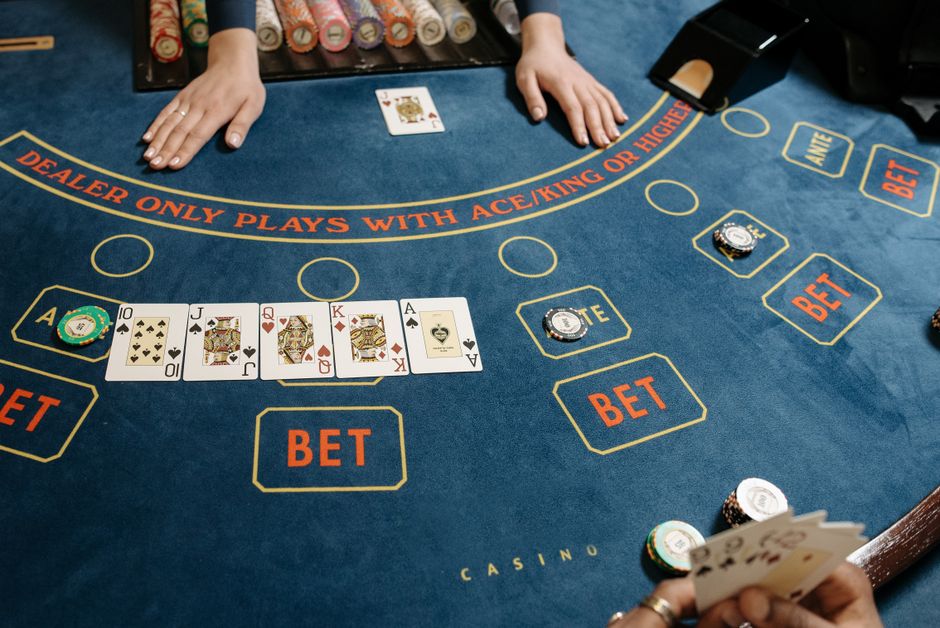
So you've dipped your toes into online casinos, maybe spun a few slots, and now you're wondering why your balance keeps vanishing faster than a free drink at a happy hour. You're not alone. The iGaming world is a beast—part entertainment, part math, part psychology. And while there's no magic formula to guarantee wins, there are definitely ways to stretch your bankroll, boost your enjoyment, and avoid the rookie traps that make the house rub its hands together. This isn't about chasing jackpots or believing in 'hot' machines. It's about understanding the gears behind the games so you can play smarter, not harder.
Let's start with the elephant in the room: slots. They're the cash cow of iGaming, accounting for roughly 70% of casino revenue in many markets. But here's the thing—slots are not skill games. They're random number generators (RNGs) with a paint job. That doesn't mean you can't be smart about them, though.
First, look at the RTP (Return to Player) percentage. Anything above 96% is decent; 97%+ is great. For example, Blood Suckers by NetEnt clocks in at 98%, while many Megaways titles sit around 96%. Avoid games below 94% unless you're just there for the thrill. Second, volatility matters. High-volatility slots like Bonanza pay less often but can explode. Low-volatility ones like Starburst pay small and steady. Match volatility to your bankroll and tolerance for dry spells. Readers looking for specifics may like สล็อตเว็บตรง.
If slots are the lottery, table games are the chess match. Blackjack, roulette, baccarat—these have fixed odds and, in some cases, a skill element. Blackjack, for instance, has a house edge as low as 0.5% if you play basic strategy perfectly. That's light-years better than the 2–15% edge on most slots.
Basic strategy isn't guesswork. It's a mathematically derived chart that tells you when to hit, stand, double, or split. Memorize it. You can find free charts online or use trainer apps. Roulette? European wheel (single zero) has a 2.7% house edge; American wheel (double zero) jumps to 5.26%. Always pick European. Baccarat is a coin flip with a slight bias—bet on the banker and pay a 5% commission, but your edge loss is only 1.06%.
Poker is a different animal entirely. It's player-versus-player, which means you can actually have a long-term edge if you're better than your opponents. But that requires study. Start with tight-aggressive play: fold junk hands, raise with strong ones, and pay attention to position. The button is gold. Don't limp in early position unless you're setting a trap. And for the love of all that's holy, don't chase draws without pot odds.
You can have the best strategy in the world, but if you bet 20% of your bankroll on a single hand, you're one bad beat away from disaster. Bankroll management is the unsexy pillar of iGaming longevity. Here's a simple rule: never bet more than 1–2% of your total gambling budget on a single bet or spin. If your bankroll is $500, your max bet is $5–$10. That gives you at least 50–100 bets, which smooths out variance.
Also, separate gambling money from life money. Use a dedicated e-wallet or prepaid card. When it's gone, it's gone. No chasing losses with rent money. The emotional tilt after a bad beat is the number one cause of blown accounts.
Casinos love to dangle free spins, deposit matches, and cashback like candy. But those bonuses come with wagering requirements that can be brutal. A 100% match up to $200 with a 40x wagering requirement means you need to bet $8,000 before you can withdraw a cent. And many games contribute differently—slots might count 100%, but blackjack might only count 10% or nothing at all.
Before claiming any bonus, ask yourself: Is the game contribution favorable? What's the max bet allowed while using the bonus? What's the time limit? If you're a low-stakes player, a high-wagering bonus can feel like a trap. Sometimes it's better to decline the bonus and play with your own cash to keep withdrawals simple.
Also, look for reload bonuses, free tournaments, and loyalty points. These often have softer terms. And never, ever create multiple accounts to farm bonuses—casinos share databases and will ban you permanently.
Online casinos are engineered to keep you playing. Flashing lights, near-miss sounds, celebration animations—they're all dopamine triggers. The near miss (two cherries and a lemon) feels like you almost won, so you spin again. That's by design. Recognizing these tricks is your first line of defense.
Set a timer. After 45 minutes, take a 10-minute break. Stand up, walk around, drink water. Fatigue leads to sloppy decisions. And if you ever feel that itch to 'win it back' after a loss, that's your cue to log out. The game will be there tomorrow. Your rent money won't.
Finally, remember that iGaming is entertainment, not a job. If it stops being fun, stop playing. No shame in that. The house always has an edge in the long run—your goal is to enjoy the ride within your limits.
Nobody beats the house forever. But you can beat the average player by being disciplined, informed, and honest with yourself. Slots are for fun; table games reward strategy; poker rewards skill; and bonuses reward patience. The common thread? None of it works if you're chasing losses or ignoring your bankroll. Treat every session like a mini-investment—know the risk, set the stop-loss, and take the profit when it comes. Do that, and you'll get more mileage, more enjoyment, and fewer regrets from your iGaming adventures.

Jade Gorse shares practical, down-to-earth guidance on british gardening and plant care for readers across the UK.
Stay Tuned With Updates


Leave A Comment